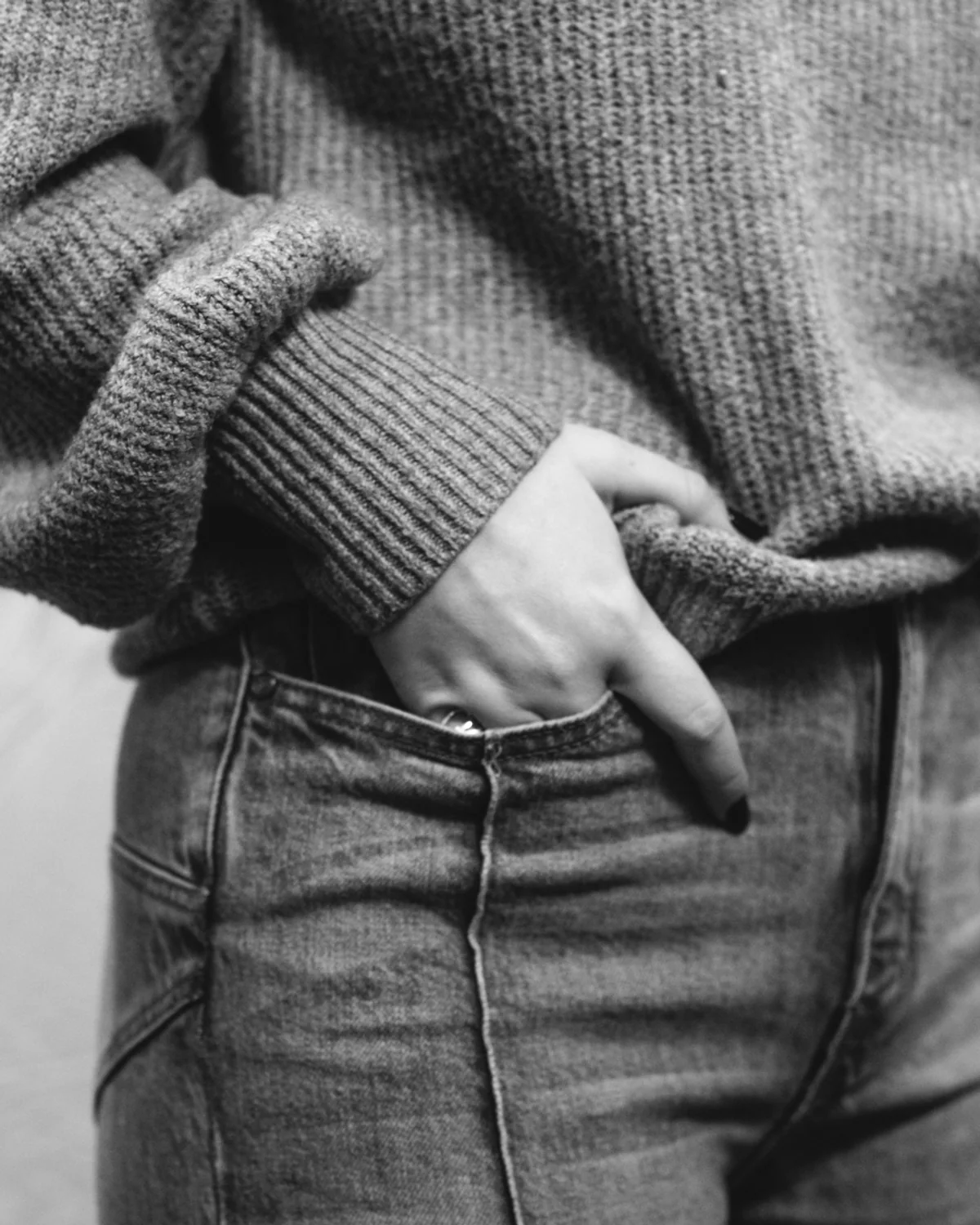


Measure the fit that already works
Begin with late spring and summer days when white denim needs to feel comfortable, look opaque, and work for real outings. List the temperatures, surfaces, transport, event timing, and number of hours involved. Then identify what would make the outfit feel uncomfortable or difficult to maintain.
For readers looking for dependable fit, comfort, and long-term wear from denim, the first decision point is opacity, lining, pocket show-through, stretch recovery, rise, and the fit across the waist and hips. This is not a promise that one item will work everywhere; it is a way to remove products that cannot handle the real situation.
Separate the occasion from the photograph. A piece that looks strong in one image may pull, crease, restrict movement, or compete with the layers you need. Judge the whole outfit from arrival to departure.
Finally, consider what already exists in your wardrobe. Repeating a trusted bottom, shoe, or layer reduces both cost and decision fatigue. Buy the missing piece, not a duplicate in a different mood.
- Define the scene: late spring and summer days when white denim needs to feel comfortable, look opaque, and work for real outings.
- Name the primary fit and comfort priority: opacity, lining, pocket show-through, stretch recovery, rise, and the fit across the waist and hips.
- Decide what would make the purchase worth keeping.
Compare rise, hip room, and inseam together
Opacity, lining, pocket show-through, stretch recovery, rise, and the fit across the waist and hips. A product listing can show the intended look, but it cannot tell you whether the garment suits your body, movement, or local weather. Use measurements, fabric notes, and return terms to judge the fit.
Read garment measurements before comparing reviews. Shoulder width, bust, waist, hip, rise, inseam, sleeve length, and hem opening often explain a fit problem more clearly than a general size label.
Check how you will sit, walk, reach, climb stairs, or carry a bag. A structured blazer, fitted dress, rigid jean, or slim shoe can feel completely different after twenty minutes of real movement.
Plan for alterations when they are realistic. A hem or sleeve adjustment can solve proportion, but it cannot repair a shoulder line, waist placement, or total amount of ease that is wrong for your body.
Understand the denim and its recovery
Opacity, lining, pocket show-through, stretch recovery, rise, and the fit across the waist and hips. This detail often matters more than a trend label. Judge it against fabric performance and care, the rest of the outfit, and the number of times you realistically expect to wear the piece.
Fabric composition affects drape, breathability, warmth, creasing, opacity, stretch recovery, and how often the item needs care. Compare the actual percentage, not only marketing names such as premium or sustainable.
Look inside the garment when possible. Seam finish, lining, facings, pocket bags, closures, and pattern matching reveal how much care went into construction and where the item may wear first.
Product images should show the item on more than one body type when fit is central to the decision. If measurements, fabric, model height, or return policy are missing, treat that gap as a real buying risk.
- Confirm the exact material and garment measurements.
- Inspect closures, seams, lining, and stress points.
- Check care, drying, ironing, and alteration requirements.
Plan the outfits before checkout
A useful piece should still work on an ordinary day. Choose a substantial denim weight and inspect pocket and seam details, then build the outfit around the proportions of the jean. Build at least three outfits around it before you buy, using shoes, layers, and bags you already own.
Keep a simple note or photo of the combinations that work. This reduces impulse buying and makes it easier to see where a new piece genuinely adds range.
Consider the indoor and outdoor environments together. Heating, air conditioning, rain, long walks, and evening temperature changes often determine whether an outfit is practical.
If the item only works with one accessory or one exact shoe, it may still be worth buying for a specific event. Be honest about the limitation instead of expecting a specialized piece to become an everyday staple.
- choose a substantial denim weight and inspect pocket and seam details, then build the outfit around the proportions of the jean
- Build three outfits with existing pieces before checkout.
- Plan layers and footwear for the full day or event.
Check returns for the exact wash and cut
Check fabric weight, pocket lining, care instructions, stain guidance, size measurements, and the seller return window. Treat this as a comparison point rather than a guarantee. The stronger decision is the one supported by garment measurements, construction details, and your actual routine.
Compare the exact style, color, size, and seller before following a discount. A lower price is not useful if the item is final sale, arrives too late, lacks the needed size, or carries return costs that erase the savings.
Estimate cost per wear. A higher-priced coat, shoe, or bag may be the better value when it fits well, repairs easily, and replaces frequent low-quality purchases. A special-occasion item should be judged by the event and resale or reuse potential.
Use commercial links as a comparison starting point. Stock, fit notes, formulas, and promotions change, so confirm the live listing and keep the order confirmation in case you need to exchange or return.
- Confirm size, color, material, and delivery date.
- Check shipping, taxes, return fees, and final-sale rules.
- Compare at least two sellers when fit or authenticity is uncertain.
Make denim easier to live in
Assuming every white denim is sheer or buying a fabric too heavy for the warm weather you plan to wear it in. Avoid this before spending more, because a better fit, size, or fabric choice often matters more than another trend piece.
Care for the item according to the label. Brush shoes, air knitwear, hang structured clothing properly, and repair small issues before they spread. Maintenance is part of cost per wear.
Review the wardrobe every few months. Remove or repair pieces that no longer fit, create duplicates, or never make it into an outfit. Use the gaps to guide the next purchase.
The best fashion purchase is not the most dramatic one. It is the piece whose role is clear, whose fit supports your life, and whose tradeoffs you accept before it enters the closet.
A modern wardrobe does not need more categories. It needs better decisions about fit, fabric, movement, and the life the clothes will actually live.